Geekzilla.io Swimming Headphones: Features and What to Know
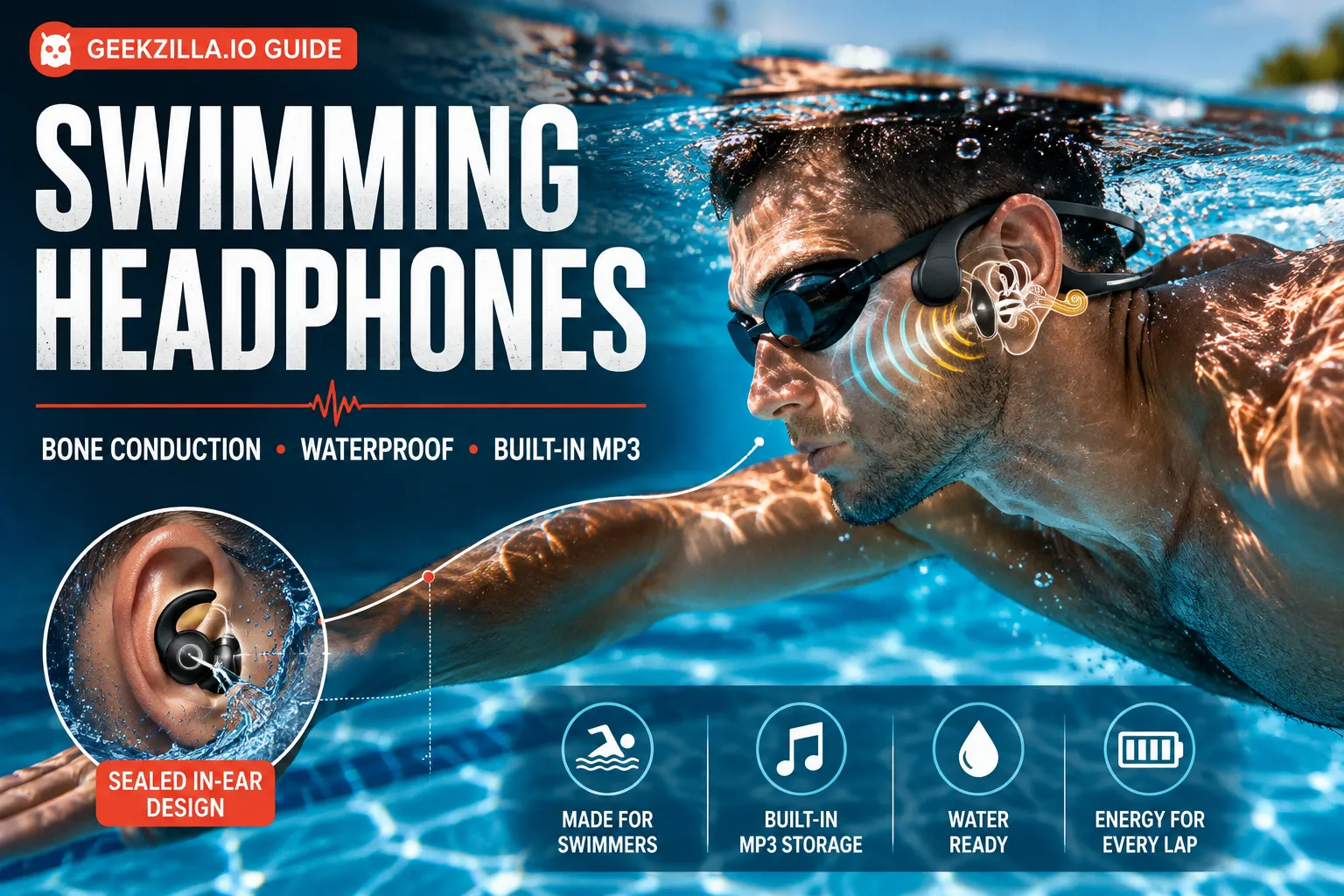
If you have searched for geekzilla.io swimming headphones, you probably want to know whether a pair of headphones can work in the pool, how the sound reaches you underwater, and what matters before you buy. Swimming headphones are a niche category, and the basic question is different from ordinary headphones. Water blocks Bluetooth signals, sound can be muffled by a sealed ear, and chlorine or saltwater can wear down electronics over time. That makes a clear explanation more useful than a list of product names.
This guide explains how swimming headphones work, the two main designs, the ratings that tell you how water-resistant a pair is, and the features that matter most. It also covers what the geekzilla.io content on this topic appears to offer, and gives you a practical checklist for choosing a pair safely. Where information could not be confirmed, the article says so.
What Are Swimming Headphones?
Swimming headphones are audio devices built to stay sealed against water and to deliver sound while you are in a pool or open water. They are designed for swimmers who want music, coaching audio, or guided workouts without holding a phone.
The main challenge is that most Bluetooth signals do not travel well through water. For that reason, many swimming models include built-in memory where you load MP3 files before you get in the water. Some other models rely on a different approach to transmit sound, which is explained below. People who use digital tools regularly may also find this collection of online resources useful for other everyday tasks.
Bone Conduction vs Sealed In-Ear Designs
Almost every swimming headphone uses one of two designs. Each one solves the water problem in a different way.
| Feature | Bone conduction | Sealed in-ear |
|---|---|---|
| How sound reaches you | Vibrations travel through the skull to the inner ear | Sound travels through a sealed ear canal |
| Ear canal | Left open | Blocked by the earbud |
| Awareness of surroundings | Easier to hear people and the pool | Harder, since the ear is sealed |
| Comfort during long sessions | Often comfortable, though fit matters | Depends on the tip and fit |
| Typical concern | Sound quality can be less full at high volume | Water can get in if the seal fails |
Bone conduction models sit against the cheekbone and leave the ear open. Sealed models fit into the ear and rely on a tight seal to keep water out. Neither design sounds like studio headphones, and both trade some audio quality for water resistance.
What Waterproof Ratings Mean
Water resistance is usually described with an IP or IPX code. The second number in an IPX rating covers liquid ingress, so a higher number generally means better protection against water. A rating does not tell you how a device handles chlorine, salt, or heavy wear, so it is only one part of the picture.
Read the rating on the official product page and check whether it applies to submersion, swimming, or splashing. A device rated for splashing will not necessarily handle a lap swim. Always follow the manufacturer’s instructions on cleaning and drying after use.
Key Features That Matter Most
When comparing swimming headphones, focus on the features that affect what you actually experience in the water.
- Storage and playback: Built-in MP3 memory is often more reliable underwater than a Bluetooth connection.
- Battery life: Check the stated playtime, since battery drain is faster when a device is working hard.
- Fit and comfort: A secure fit matters during flip turns and strokes, and the earpieces should stay in place.
- Sound clarity: Clear voices and balanced sound are more useful than deep bass, which is hard to achieve underwater.
- Durability: Check how the device handles chlorine, sunlight, and saltwater.
- Controls: Buttons should be easy to press with wet hands, or the device should be simple to operate.
What the Geekzilla.io Content Covers
The geekzilla.io material on this topic appears to be an editorial guide to swimming headphones, rather than a single branded product. It discusses categories such as bone conduction and sealed designs, and it compares options based on budget, design, and features like built-in MP3 storage or live streaming.
Some pages on the site name specific models from other manufacturers as examples. Those mentions are part of the guide, not confirmed endorsements of any product, and details like price and battery life can change. If you are comparing different types of consumer electronics, this look at another gadget-focused website offers a related example. Check each model’s current specifications on the manufacturer’s website before you buy.
Because several domains carry similar content, make sure you are reading the page you intended to open. The name geekzilla.io can appear next to different sites with overlapping articles.
How to Choose a Pair Safely
A simple process helps you avoid disappointment and bad purchases.
- Decide how you will listen. If you want to hear your surroundings, bone conduction may suit you better. If you want stronger isolation, a sealed design may work better.
- Check the water rating and confirm what it covers.
- Look for built-in storage if you plan to swim with music.
- Read recent user feedback from several sources, and compare comments about comfort, leaks, and durability.
- Check the seller’s return policy and warranty before you commit.
- Test the fit at home before your first swim, including wearing it with a cap or goggles if relevant.
Be cautious when buying from marketplaces with unfamiliar sellers. Counterfeit or mislabeled electronics are a real risk, so buy from a reputable retailer or the manufacturer.
Caring for Swimming Headphones
Rinse your headphones in fresh water after each swim, especially after pool sessions, because chlorine and salt can damage seals and contacts over time. Dry them thoroughly and store them somewhere cool and dry. Follow the manufacturer’s care guide, since some seals and charging ports need special attention.
Frequently Asked Questions
What are geekzilla.io swimming headphones?
They refer to swimming headphone content on the geekzilla.io site. The material appears to be an editorial guide to swimming headphone types and features, not a single confirmed product.
Do swimming headphones work with Bluetooth underwater?
Bluetooth signals are weak in water, so many swimming headphones use built-in MP3 storage instead. Check the device’s specifications to see how it handles playback.
What is the difference between bone conduction and sealed swimming headphones?
Bone conduction models send sound through the skull and leave the ear open. Sealed models fit into the ear canal and rely on a tight seal to keep water out.
What does an IPX rating mean?
An IPX rating describes a device’s protection against water. The second digit refers to liquid ingress, but the rating does not cover every type of wear or chemical exposure.
Are swimming headphones safe for open water swimming?
Only if the product’s rating and instructions cover that use. Be aware of your surroundings, and follow the manufacturer’s guidance.
How do I keep swimming headphones working longer?
Rinse them in fresh water after use, dry them carefully, and store them away from heat and direct sunlight.
Should I buy the cheapest pair?
Not necessarily. Very low prices can mean weaker seals, shorter battery life, or less reliable storage. Compare features and read recent feedback before buying.
Final Thoughts
Swimming headphones solve a real problem for swimmers who want audio in the water, but they work best when you understand the trade-offs between bone conduction and sealed designs. Focus on the water rating, built-in storage, fit, and durability rather than marketing claims alone.
Use the geekzilla.io content as a starting point for comparing categories, then confirm the current specifications and return policy on the manufacturer’s website before you buy.