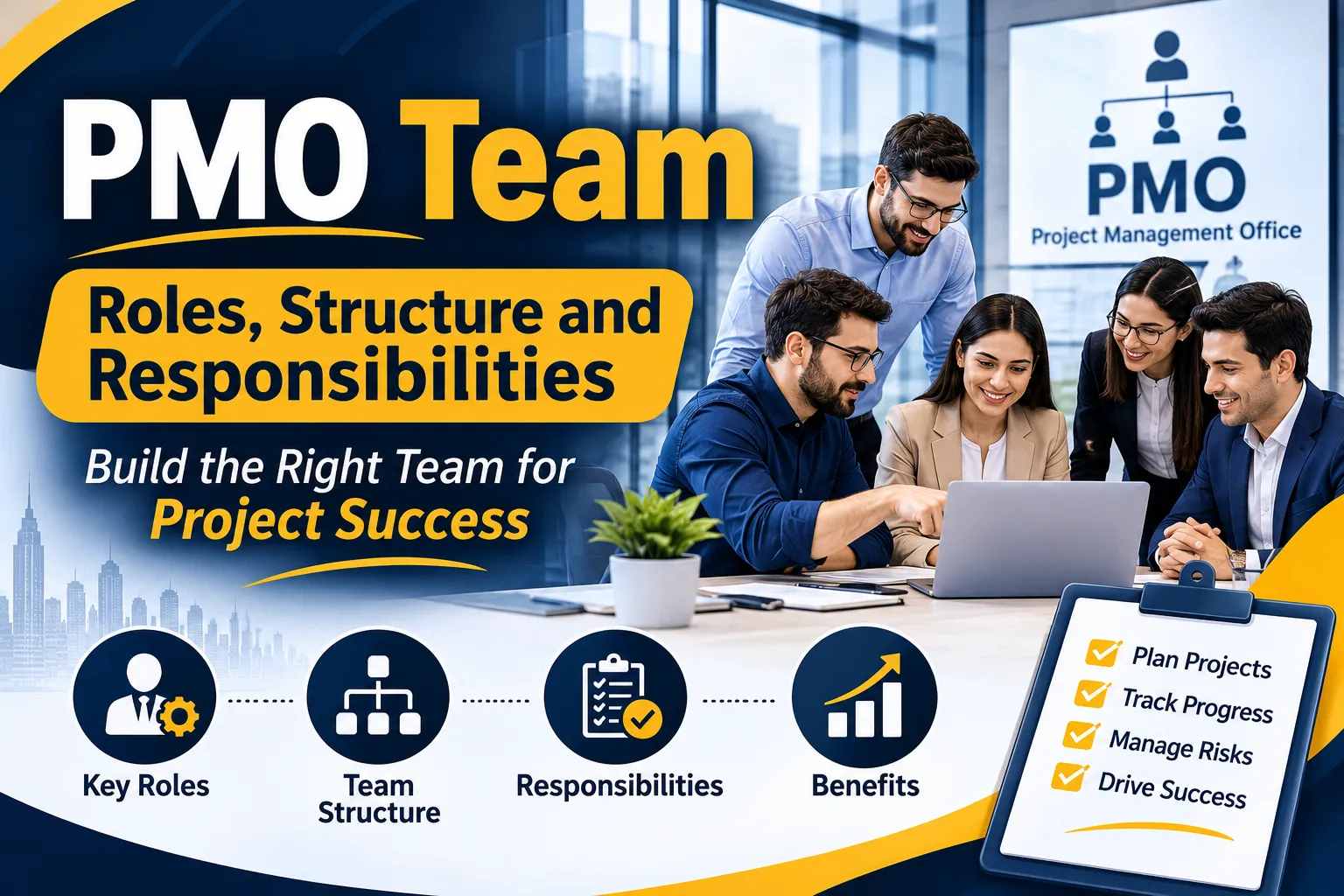
PMO Team | Roles, Structure and Responsibilities
A Project Management Office (PMO) needs the right people to keep projects organized, monitor progress, and support consistent delivery across an organization. While processes and tools provide direction, the people behind them make sure that project information is accurate, responsibilities are clear, and teams receive the support they need.
A PMO team can include a PMO manager, project management analysts, project managers, coordinators, and other specialists. The exact roles depend on the organization’s size, project workload, and the type of support the office provides.
Understanding how a PMO team works helps businesses decide which positions they need and how those individuals should contribute to project success.
What Is a PMO Team?
A PMO team is a group of professionals responsible for supporting, coordinating, monitoring, or governing project management activities within an organization. Its members help project teams follow agreed processes, maintain accurate documentation, track performance, and share useful information with decision-makers.
The team’s responsibilities can vary depending on the PMO’s purpose. Some offices focus mainly on administrative support and reporting, while others take a more active role in resource management, project oversight, and strategic planning.
For example, a small company may have one PMO manager handling reporting and coordination. A larger organization may need dedicated analysts, project coordinators, resource managers, and specialists working across several departments.
The main purpose is to make project work more organized and give stakeholders a clearer understanding of how projects are progressing.
Common PMO Team Roles
There is no single structure that every organization must follow. A PMO can operate with a small group of generalists or a larger team with clearly divided responsibilities.
Some of the most common positions include:
1. PMO Manager
The PMO manager leads the office and makes sure its activities support the organization’s project management needs. This person establishes working practices, coordinates the PMO staff, and communicates with senior management.
Common responsibilities include:
- Managing the daily activities of the PMO.
- Establishing project reporting standards and procedures.
- Monitoring project performance across the organization.
- Coordinating with project managers and department leaders.
- Identifying issues that require management attention.
- Supporting consistent project governance.
The PMO manager also helps determine whether the office is providing useful support and where its processes may need improvement.
2. PMO Analyst
A PMO analyst works with project information to help managers understand performance, progress, and potential problems. This role often involves collecting data, preparing reports, maintaining dashboards, and checking whether project information is complete.
Typical responsibilities include:
- Gathering project updates from different teams.
- Preparing progress reports and performance dashboards.
- Tracking milestones, budgets, risks, and project issues.
- Checking the accuracy of project documentation.
- Identifying delays or patterns that may affect delivery.
- Supporting management with reliable project information.
PMO analysts help turn project data into information that managers can use when making decisions.
3. Project Coordinator
A project coordinator handles organizational and administrative activities that help projects move forward. This role is especially useful when several teams, meetings, and deadlines need to be managed at the same time.
A project coordinator may:
- Schedule project meetings and record decisions.
- Maintain project documents and shared records.
- Follow up on assigned tasks and deadlines.
- Communicate updates between team members.
- Track action items and outstanding requests.
- Help project managers keep activities organized.
Although the role may involve administrative work, good coordination can prevent missed updates and confusion between project stakeholders.
4. Project Managers and the PMO
Project managers are responsible for planning and delivering individual projects. They work with their teams to manage schedules, budgets, resources, risks, and project objectives.
Their relationship with the PMO depends on how the office is structured. In some organizations, project managers report directly to the PMO. In others, they work within separate departments but follow the PMO’s standards and reporting requirements.
A project manager may work with the PMO to:
- Prepare project plans and schedules.
- Report progress and performance.
- Identify risks and resolve project issues.
- Manage resources and stakeholder expectations.
- Follow established project management procedures.
The PMO provides structure and oversight, while project managers remain focused on delivering their assigned projects.
5. Resource Manager
Organizations running several projects often need someone to coordinate how people and other resources are assigned. A resource manager helps identify resource requirements and potential conflicts between competing project demands.
This role may involve checking staff availability, monitoring workloads, identifying skill gaps, and working with department managers to address resource shortages.
Not every PMO needs a dedicated resource manager. In smaller organizations, these responsibilities may be handled by the PMO manager or project managers.
How a PMO Team Supports Projects
A PMO team contributes to project delivery by creating consistency and giving teams access to useful information and support. Its involvement can begin before a project starts and continue until the work is completed.
Standardizing Project Processes
Different project teams may use different methods to plan work, report progress, or manage documentation. The PMO can establish shared templates, reporting formats, and procedures so that information is easier to understand across the organization.
Monitoring Project Progress
The PMO collects updates and tracks important project information, including milestones, schedules, budgets, risks, and outstanding issues. This helps managers identify projects that need attention before problems become more difficult to manage.
Supporting Better Decisions
Management needs accurate information to decide which projects should receive resources and where changes may be necessary. PMO reports and dashboards provide a clearer picture of project performance and help stakeholders make informed decisions.
Managing Project Risks
A PMO can help teams identify, record, and monitor risks that may affect project outcomes. It may also establish a consistent way to report major issues and escalate them to the appropriate decision-makers.
Improving Communication
Projects often involve several departments, managers, and external stakeholders. The PMO helps maintain clear communication by organizing updates, documenting decisions, and making relevant project information available to the right people.
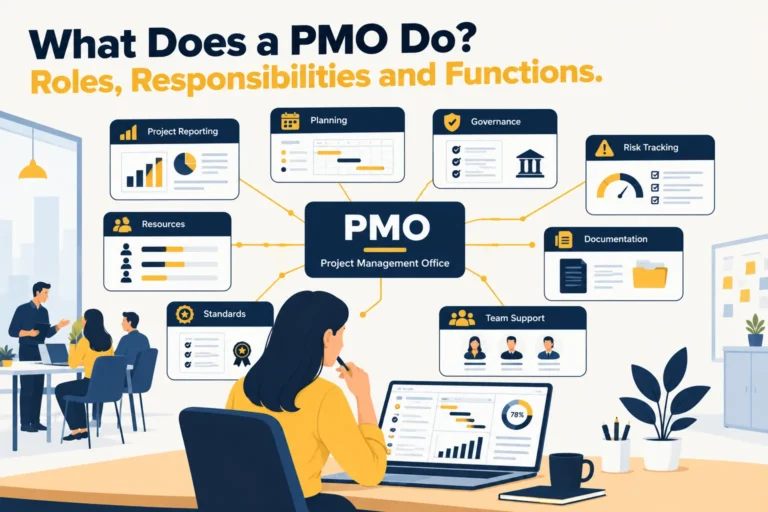
These activities are closely connected with the wider responsibilities of a project management office, although the level of involvement depends on the organization’s needs.
PMO Team Structure
A PMO’s structure depends on the number of projects it supports, the organization’s size, and the authority given to the office. A small business may operate with a single PMO professional, while a large organization may have several specialists working under a central manager.
Three common arrangements include:
Small PMO Team
A small PMO may consist of a PMO manager or coordinator who handles reporting, documentation, project tracking, and communication.
This arrangement can work for organizations with a limited number of projects. Team members often handle several responsibilities rather than working within narrowly defined roles.
Medium-Sized PMO Team
A medium-sized PMO may include a manager, one or more analysts, project coordinators, and project managers. Responsibilities are divided more clearly, allowing team members to focus on reporting, coordination, and project delivery support.
This structure can help organizations manage several projects without creating unnecessary management layers.
Enterprise PMO Team
An enterprise PMO may have dedicated professionals for governance, resource management, financial tracking, reporting, portfolio oversight, and project support.
It may also coordinate with different departments or regional offices. The structure is usually more formal because the organization needs consistent oversight across a larger number of projects.
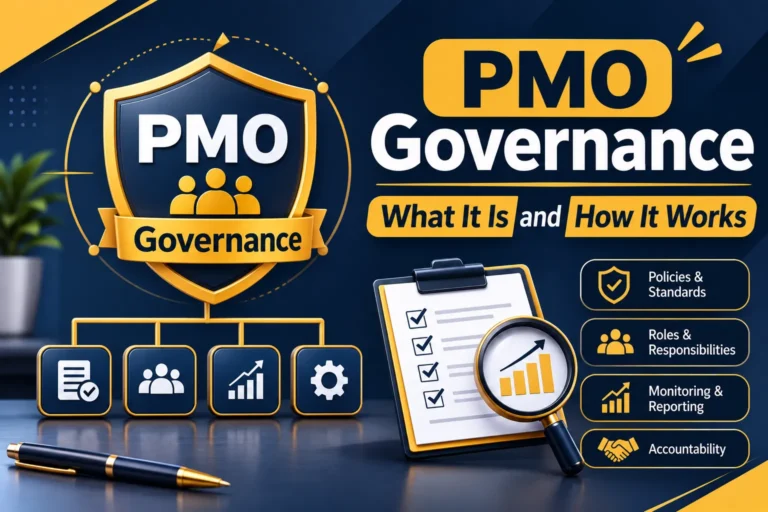
The authority and responsibilities of each structure can differ. Some PMOs mainly provide guidance, while others have decision-making responsibilities over project standards and priorities. These differences are also reflected in the organization’s approach to PMO governance.
How to Build an Effective PMO Team
Creating a useful PMO team starts with understanding what the organization expects the office to accomplish. Hiring people before defining these needs can lead to overlapping responsibilities or unnecessary positions.
A practical approach includes the following steps:
1. Identify Organizational Needs
Start by examining the organization’s current project management challenges. Determine whether teams need better reporting, stronger coordination, resource planning, project oversight, or support with standard processes.
2. Define Roles and Responsibilities
Decide which activities the PMO will handle and assign clear ownership. Each team member should understand their responsibilities and how their work connects with other positions.
3. Select People With Relevant Skills
Look for professionals who understand project management, communication, reporting, coordination, and problem-solving. Technical knowledge may also be important depending on the organization’s industry and project environment.
4. Establish Working Processes
Give the team clear procedures for reporting, documentation, meetings, issue escalation, and project tracking. Consistent processes help prevent confusion and make information easier to share.
5. Review Team Performance
Assess whether the PMO is meeting its objectives. Useful indicators may include reporting accuracy, visibility into project progress, process adoption, and the timely identification of project issues.
The team structure should be adjusted when the organization’s project workload or requirements change.
Skills Needed in a PMO Team
PMO professionals need a combination of technical knowledge and practical workplace skills. The importance of each skill depends on the person’s position and the type of PMO they support.
Important skills include:
- Project management knowledge: Understanding project planning, scheduling, delivery, and monitoring.
- Communication: Sharing updates clearly with project teams, managers, and stakeholders.
- Analytical thinking: Understanding project data and identifying issues that need attention.
- Organization: Maintaining accurate records, managing deadlines, and coordinating activities.
- Problem-solving: Helping teams address delays, resource conflicts, and process challenges.
- Reporting skills: Preparing useful dashboards, status reports, and project documentation.
- Collaboration: Working effectively with people from different departments and professional backgrounds.
Experience with project management software, spreadsheets, reporting platforms, and collaboration tools can also be valuable.
Frequently Asked Questions
What roles are included in a PMO team?
A PMO team may include a PMO manager, PMO analysts, project coordinators, project managers, and resource managers. Larger organizations may also employ specialists in governance, finance, reporting, and portfolio management.
What does a PMO manager do?
A PMO manager leads the project management office, manages its staff, establishes working procedures, and coordinates with senior management. The role also involves monitoring project performance and helping improve project management practices.
Is a PMO analyst the same as a project manager?
No. A PMO analyst mainly works with project information, reporting, documentation, and performance tracking. A project manager is responsible for planning and delivering a specific project, including managing its schedule, resources, risks, and team.
How many people should be in a PMO team?
There is no fixed number. A small organization may need only one or two PMO professionals, while a large enterprise may require a much bigger team with specialized responsibilities. The right size depends on the number of projects and the support the organization expects.
Does every organization need a PMO team?
Not every organization needs a dedicated PMO team. Businesses managing a small number of straightforward projects may work effectively without one. However, organizations handling multiple projects or complex initiatives may benefit from dedicated project management support.
What skills are important for PMO staff?
PMO staff benefit from project management knowledge, communication, organization, analytical thinking, reporting, and problem-solving skills. Familiarity with project management tools can also help them perform their responsibilities effectively.
Final Thoughts
A PMO team provides the people and practical support needed to manage project activities in a more organized way. Its structure may be simple or highly specialized, depending on the organization’s size, project workload, and management requirements.
The most effective approach is to define the purpose of the PMO first, assign clear responsibilities, and bring together people with the skills needed to support its work. When team members understand their roles and work toward shared objectives, the PMO can improve project visibility, coordination, and consistency across the organization.