What Does a PMO Do? Roles, Responsibilities and Functions
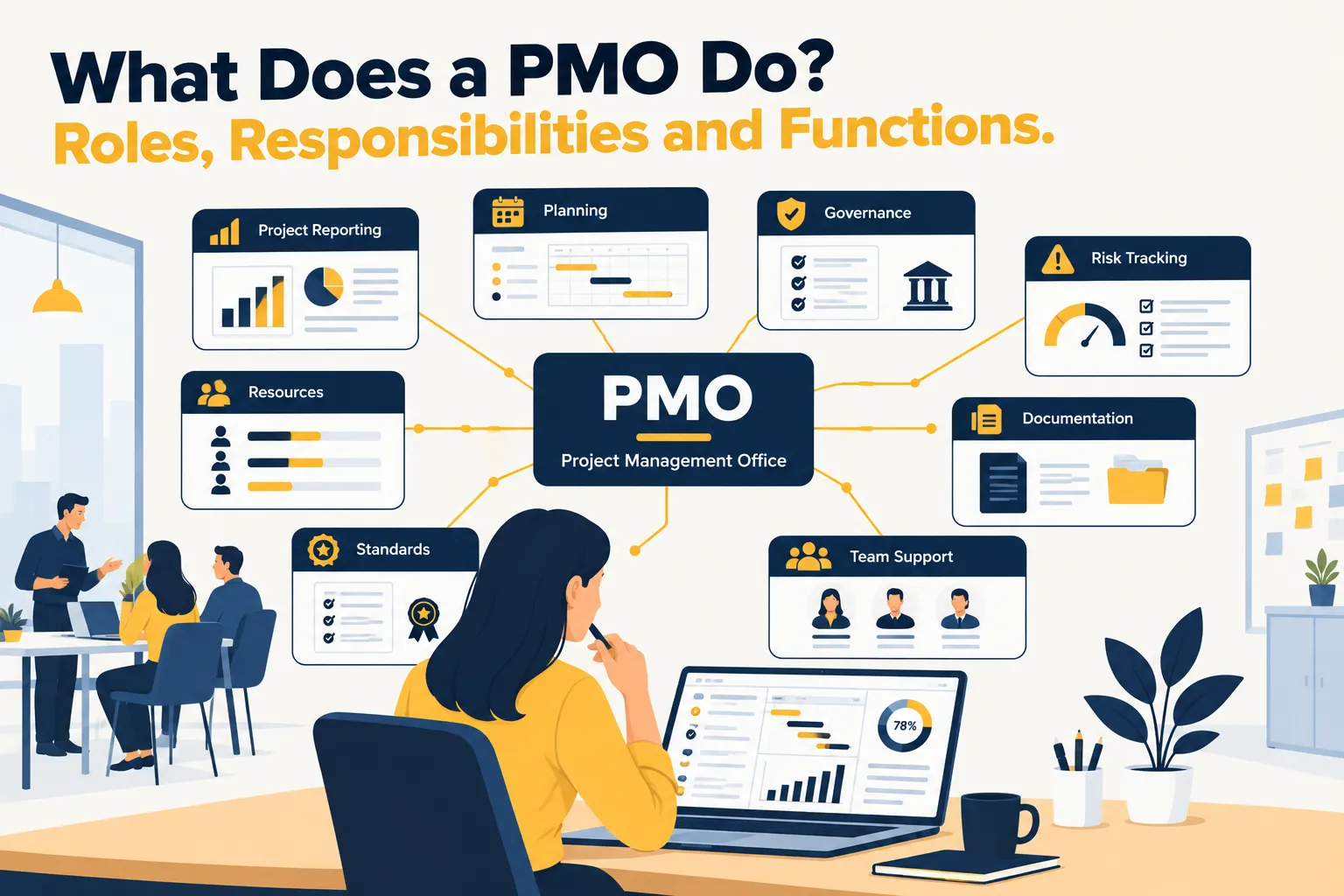
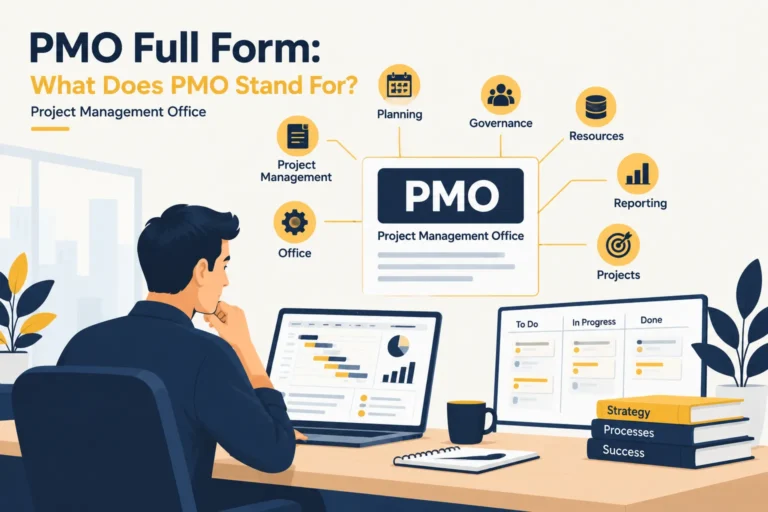
A PMO, or Project Management Office, helps an organization manage project work in a consistent and organized way. Depending on the company, a PMO may provide templates and guidance, monitor projects, manage reporting, establish standards, or take a direct role in project management. What is a PMO can vary depending on how the organization structures and uses it.
There is no single list of responsibilities that applies to every PMO. Some focus mainly on support, while others have authority over project processes, governance, resources, and delivery.
What Does a PMO Do?
A PMO can support projects by creating processes, collecting project information, monitoring progress, and helping teams follow common project management practices.
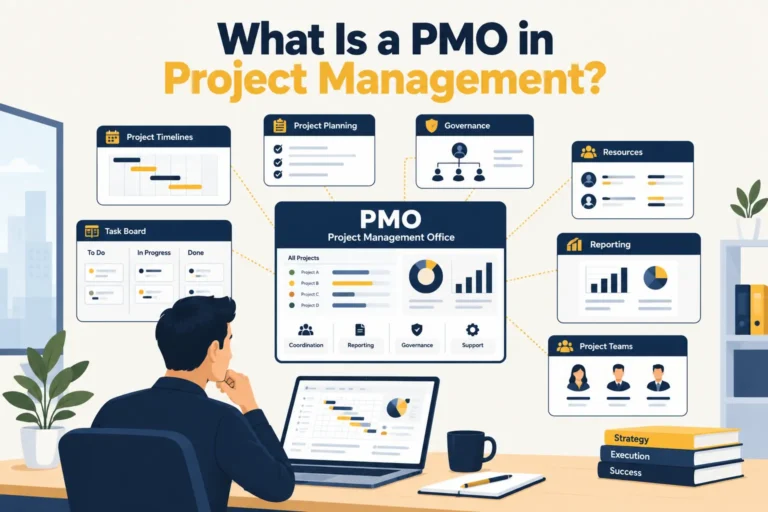
Its responsibilities often include project reporting, governance, planning, documentation, risk tracking, resource coordination, and support for project managers.
The exact role depends on the organization’s size, project environment, and the level of authority given to the PMO.
PMO Roles and Responsibilities
A PMO can have several different responsibilities across an organization.
Common PMO responsibilities include:
- Establishing project management standards
- Creating templates and processes
- Monitoring project progress
- Preparing project reports
- Supporting project planning
- Tracking risks and issues
- Supporting project governance
- Coordinating resources
- Maintaining project documentation
- Providing training and guidance
- Supporting project managers
- Managing project information
A PMO does not necessarily handle all of these activities. Its responsibilities are normally defined by the organization’s needs and PMO structure.
What Are the Main Functions of a PMO?
The main functions of a PMO generally focus on making project work easier to organize, monitor, and manage.
Project Standards
A PMO may establish common standards for how projects are planned and managed.
These standards can cover project documentation, reporting, planning methods, approval processes, and other project management activities.
Having common standards can make it easier for teams and management to understand how projects are being handled.
Project Reporting
Project reporting is one of the common functions of a PMO.
The PMO may collect information from project teams and prepare reports covering areas such as project status, schedules, risks, issues, budgets, and milestones.
Management can then use these reports to understand what is happening across multiple projects.
Project Planning
A PMO may help project teams with planning activities.
This can include providing planning templates, defining required project information, supporting schedules, and helping teams follow the organization’s project management process.
The level of involvement depends on whether the PMO is mainly supportive or has more direct authority.
Risk and Issue Tracking
PMOs may help organizations maintain visibility into project risks and issues.
A PMO can establish processes for recording risks, monitoring their status, and escalating important issues to the appropriate people.
Project managers usually remain responsible for managing risks and issues within their individual projects unless the PMO has a more direct role.
Governance
Another important PMO function is project governance.
A PMO may define how projects are reviewed, what approvals are required, how information should be reported, and when issues need to be escalated.
These processes help establish a consistent structure for project oversight.
Does a PMO Manage Projects?
Sometimes.
The answer depends on the type and structure of the PMO. A supportive PMO may simply provide guidance, templates, and resources to project teams.
A more directive PMO may assign project managers and take direct responsibility for managing projects.
This is why the term PMO does not automatically mean that the office manages every project itself.
PMO vs Project Manager
A PMO and a project manager have different roles, although they often work closely together.
A project manager generally manages a specific project. This can include coordinating the team, managing the schedule, communicating with stakeholders, tracking risks, and overseeing project delivery.
A PMO is an organizational function that can support or oversee multiple projects.
| PMO | Project Manager |
|---|---|
| Organizational function | Individual role |
| Can support multiple projects | Usually manages a specific project |
| Creates or supports standards | Applies project management practices |
| May provide governance | Manages project activities |
| Can prepare organization-wide reports | Reports on individual project status |
In some organizations, the PMO may also employ or assign project managers.
PMO Team Responsibilities
The people working within a PMO can have different responsibilities depending on the organization’s structure.
A PMO team may include managers, project specialists, analysts, coordinators, and other project professionals.
For example, one person may focus on project reporting while another supports project documentation or governance.
The size of the team can also vary. A small organization may have only a few people performing PMO functions, while a large organization may have a larger team supporting projects across multiple departments.
What Does a PMO Manager Do?
A PMO manager is responsible for overseeing the PMO function and helping ensure that its processes and responsibilities are carried out.
Depending on the organization, a PMO manager may oversee reporting, standards, governance, resources, project support, and communication with senior management.
The role can be more administrative in one organization and more strategic or operational in another.
PMO Governance Responsibilities
A PMO may play an important role in maintaining project governance.
This can involve creating approval procedures, establishing reporting requirements, maintaining project standards, and defining how project issues are escalated.
For example, a PMO might require projects above a certain size to go through specific reviews before moving to the next stage.
The exact governance process depends on the organization’s structure and requirements.
PMO Resource Management
Some PMOs are involved in coordinating resources across projects.
Resources can include employees, specialist skills, budgets, technology, equipment, or other assets needed to complete project work.
A PMO may maintain visibility into resource requirements and identify potential conflicts between projects.
However, resource management responsibilities vary significantly between organizations.
PMO Documentation
Project documentation is another common PMO responsibility.
A PMO may create templates for project plans, status reports, risk registers, meeting records, project approvals, and other documents.
It may also maintain a central location for project information so that relevant stakeholders can find important documents and updates.
Consistent documentation can make project information easier to review and maintain.
PMO Tools and Templates
A PMO may provide project teams with tools and templates that support consistent project management.
For example, a PMO could create standard templates for:
- Project plans
- Status reports
- Risk registers
- Issue logs
- Project schedules
- Meeting agendas
- Project reviews
- Change requests
The specific tools used depend on the organization’s project management approach and technology environment.
PMO Training and Support
A PMO may provide training and guidance to project managers and team members.
This can include explaining project processes, helping teams use project management tools, providing templates, or answering questions about organizational requirements.
Support can be particularly useful when an organization has a standardized approach that multiple teams need to follow.
How Does a PMO Support Project Managers?
A PMO can support project managers by providing the structure and resources they need to manage their projects.
For example, the PMO may provide a standard project plan template, reporting format, risk register, and governance process.
This allows project managers to spend less time creating basic project management materials from scratch and more time managing their specific project responsibilities.
PMO and Project Reporting
A PMO can bring project information together so management can see the status of multiple projects.
Instead of reviewing separate reports prepared in completely different formats, management may receive information using a common reporting structure.
A PMO report might include project status, key milestones, risks, issues, budget information, and important decisions.
The exact contents depend on what the organization considers important for project oversight.
What Does a PMO Do in a Company?
In a company, a PMO can act as a central point for project management standards, information, governance, and support.
For example, a company running several technology projects might use its PMO to establish reporting requirements and collect regular updates from each project team.
The PMO could then prepare a consolidated view for management while individual project managers continue handling the day-to-day work of their projects.
What Does a PMO Do in Different Organizations?
The PMO role can change significantly depending on the organization.
A small business may use a PMO mainly for project coordination, reporting, and documentation.
A larger organization with many departments and projects may use a PMO for governance, resource coordination, portfolio reporting, standards, and project oversight.
This means the responsibilities of a PMO should always be considered in the context of the organization where it operates.
Types of PMO and Their Responsibilities
Different PMO structures have different levels of authority.
Supportive PMO
A supportive PMO mainly provides guidance, templates, training, and other resources.
It generally has limited authority over project teams.
Controlling PMO
A controlling PMO has a stronger focus on standards and compliance.
It may require teams to follow specific project management processes, reporting formats, and documentation requirements.
Directive PMO
A directive PMO has greater authority over project management.
It may assign project managers and take direct responsibility for managing projects.
The specific responsibilities can still vary between organizations.
What Does a PMO Do During a Project?
A PMO can be involved at different stages of a project.
During planning, it may provide templates, processes, and governance requirements.
During execution, it may collect project updates, monitor reporting, support issue escalation, and maintain project information.
During project closure, it may help ensure that required documentation is completed and that project information is properly recorded.
The level of involvement depends on the PMO’s role.
Does Every PMO Do the Same Thing?
No.
One PMO may focus mainly on support and standards, while another may have direct authority over projects and project managers.
Some PMOs also specialize in programs or portfolios rather than individual projects.
This is why asking what does a PMO do does not have one universal answer. The organization’s goals and PMO structure determine the actual responsibilities.
Why Is a PMO Important?
A PMO can give an organization a consistent structure for managing and monitoring project work.
It can help standardize processes, organize project information, support governance, and give management visibility across multiple projects.
The value of a PMO depends on how well its responsibilities match the organization’s actual needs. A PMO with unnecessary processes or unclear responsibilities can create additional work instead of reducing it.
Frequently Asked Questions
What does a PMO do?
A PMO can establish project standards, manage reporting, support governance, coordinate resources, provide project tools, track risks, and support project teams.
What are the main PMO responsibilities?
Common responsibilities include project standards, reporting, planning, governance, documentation, risk tracking, resource coordination, training, and project support.
Does a PMO manage projects?
Some PMOs manage projects directly, while others mainly provide support, standards, governance, or reporting. The level of authority depends on the PMO structure.
What does a PMO manager do?
A PMO manager oversees the PMO function and may be responsible for standards, reporting, governance, resources, project support, and communication with management.
What is the difference between a PMO and a project manager?
A PMO is an organizational function that can support multiple projects, while a project manager generally manages a specific project.
What does a PMO do for project managers?
A PMO may provide project management processes, templates, reporting formats, governance guidance, training, and other resources that help project managers manage their projects.
What does a PMO do in a company?
A PMO can coordinate project standards, reporting, governance, documentation, and support across the company. Its exact responsibilities depend on the organization’s needs.
Can a PMO be responsible for resources?
Yes. Some PMOs coordinate resources across projects, although resource management is not a responsibility of every PMO.
Final Answer
A PMO helps an organization organize, support, monitor, and govern project work. Its responsibilities can include project standards, reporting, planning, governance, risk tracking, documentation, resource coordination, and support for project managers.
The exact role depends on the organization’s PMO structure. Some PMOs mainly provide guidance and tools, while others have greater authority and directly manage projects.